
Published June 15, 2026
This home inspection guide Texas buyers need covers everything from what inspectors actually look for to the red flags that should make you walk away. A home inspection is one of the most important steps in any real estate transaction, and understanding the process can save you thousands of dollars and years of headaches. Whether you are buying your first home or your fifth, this guide will prepare you for what to expect.
Let me walk you through what a real home inspection covers, what Texas-specific issues matter, how to read the report without freaking out, and when it’s actually a problem.
What Home Inspectors Actually Look At
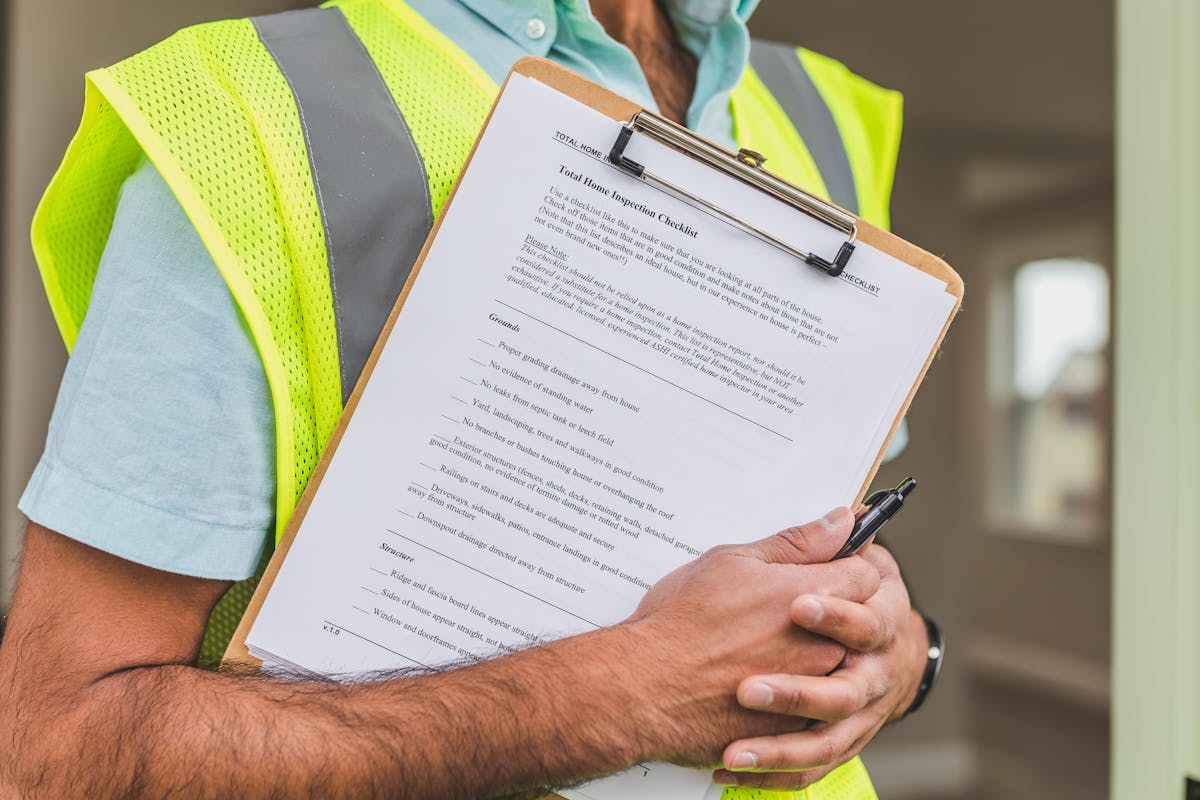
A standard home inspection in Texas covers these major categories:
Structural and foundation: The inspector examines the foundation (concrete slab or pier-and-beam), looks for cracks, tests for level floors, and checks for signs of water intrusion or movement. In Texas, this is critical because our soil shifts with moisture.
Roof and attic: They go on the roof, check shingles for age and damage, verify flashing around chimneys and vents, and look at the attic for water stains, ventilation, and insulation. Roof age matters — a 15-year-old roof in Texas heat is near the end of life.
HVAC systems: They test heating and AC operation, check filters, examine ductwork, and verify thermostat works. A non-functioning AC in August is immediately fixable if you know about it. Every home inspection guide Texas agents recommend starts with choosing the right inspector.
Plumbing: They run water in sinks, flush toilets, check water pressure, look for leaks under sinks, verify drains work, and test the water heater. They don’t disassemble plumbing, so hidden issues in walls won’t be found. The Texas Real Estate Commission licenses and regulates all home inspectors. The American Society of Home Inspectors sets national standards.
Electrical: They test outlets, check the breaker panel, verify proper grounding, and look for code violations. A breaker that trips repeatedly is a problem. An outlet that doesn’t work is usually just a tripped GFCI.
Exterior: They examine siding, windows, doors, gutters, grading, and landscape drainage. A gutter pulling away from the house is fixable. Poor grading that channels water toward the foundation is serious.
Appliances: They test what came with the house — range, dishwasher, refrigerator. They verify operation, not expected lifespan.
Interior: They check walls, ceilings, flooring, windows, and doors for structural integrity and water damage. Scuffed walls and worn carpet are cosmetic.
Home Inspection Guide Texas: What Gets Checked
Foundation Issues
Texas soil is expansive — it swells when wet and shrinks when dry. This causes foundations to move. Inspectors look for: This home inspection guide Texas edition covers issues specific to our climate and building codes.
- Cracks in concrete slab (wider than 1/4 inch is concerning)
- Doors and windows that don’t close properly (sign of foundation movement)
- Sloped or uneven floors (detected with a level)
- Water damage or moisture on slab
Small cracks are normal. Large cracks that have moved require structural engineering evaluation. Foundation repair in Texas can run $5,000-$25,000+ depending on severity.
Termite Damage
Texas heat and moisture create ideal termite conditions. Inspectors look for wood damage (soft spots, hollow-sounding wood), mud tubes from termites, and previous termite treatment evidence.
Termite damage is expensive to fix. If live termites or significant damage is found, this is a deal-breaker or major renegotiation point.
Home Inspection Guide Texas: Foundation Issues
Texas heat is brutal. Inspectors verify AC actually works (not just present), proper refrigerant charge, condenser isn’t clogged with debris, and ductwork is sealed.
An AC unit that works is worth a lot in August. An older unit that struggles to maintain 72 degrees might need replacement ($4,000-7,000).
Roof Condition
Texas sun destroys roofing faster than other climates. A roof that’s 10+ years old in Texas is old. You might need replacement in 5 years, so factor this into purchase price.
Moisture and Mold
Texas humidity creates moisture issues. Surface mold is cosmetic and fixable. Deep mold issues or water intrusion patterns suggest larger problems. A thorough home inspection guide Texas homebuyers trust should cover foundation, roof, plumbing, electrical, and HVAC.
Home Inspection Guide Texas: Roof and Exterior
CRITICAL / MAJOR REPAIR NEEDED: Structural problems, safety issues, or major system failures. Examples: foundation with significant cracks, roof that’s failed, non-functioning HVAC, electrical panel that’s unsafe. These warrant serious conversation — renegotiate price, request repair, or walk.
MINOR REPAIR / MAINTENANCE ITEM: Small fixes like caulking around windows, loose gutter fastener, outlet that needs reset. These are normal maintenance. Don’t overweight these.
INFORMATIONAL / DEFER MAINTENANCE: Observations about condition or recommendations for future maintenance. “Roof is approximately 10 years old, plan for replacement within 5 years.” These aren’t problems today, but know about them.
Deal-Breaker vs Cosmetic: Where’s the Line?
| Issue Found | Severity | Typical Repair Cost | Action |
|---|---|---|---|
| Foundation Crack (structural) | Critical | $5,000–$15,000 | Negotiate or walk |
| Roof (10+ years, damaged) | Major | $8,000–$18,000 | Credit or replace |
| HVAC (aging, works) | Moderate | $4,000–$8,000 | Negotiate credit |
| Cosmetic Cracks | Minor | $100–$500 | Don’t negotiate |
| Outlet/Switch Issues | Minor | $150–$400 | Fix post-closing |
These Are Deal-Breakers:
- Foundation requiring structural repair ($5,000-25,000+)
- Evidence of termite damage requiring treatment and repair
- Roof that’s failed and needs immediate replacement
- HVAC that doesn’t work for immediate occupancy
- Significant water intrusion or mold patterns
- Electrical system that’s unsafe or inadequate
- Plumbing that’s failed (backed-up lines, burst pipes)
Home Inspection Guide Texas: Electrical and Plumbing
- Roof that’s 12-15 years old (still functional, but won’t last long)
- Water heater that’s 10-12 years old
- AC that works but is older
- Windows with broken seals
- Cosmetic damage (paint, drywall, flooring)
- Appliances that work but are old
These Are Just Maintenance:
- Caulking that needs refresh
- Paint that needs touch-up
- Weatherstripping worn out
- Light fixtures that are outdated
- Carpet that’s worn but not damaged
Negotiating After Inspection

Request repair vs price reduction: If the roof needs $8,000 in repair, you can ask the seller to either get a licensed roofer to repair before closing (option 1 — cleaner), or reduce the price by $8,000 (option 2 — gives you control).
Get contractors’ estimates: Don’t just quote the inspector’s estimate. Get 2-3 contractor bids. Sometimes issues are less expensive than the report suggests.
Walk if necessary: If inspection reveals major structural problems and the seller won’t renegotiate, you have the right to terminate (if you had an inspection contingency).
Finding a Good Home Inspector

- Credentials: Verify license with Texas TREC (Texas Real Estate Commission)
- Experience in Conroe/Texas: Someone who knows Texas foundation issues and has seen hundreds of homes here
- Insurance and E&O: Errors and omissions insurance protects you if they miss something
- Detailed reports: Good inspectors provide photos, detailed descriptions, and clear severity ratings
- Cost: Texas home inspections run $300-600 depending on home size. Cheapest isn’t best.
Home Inspection Guide Texas: Negotiating Repairs
If you’re buying a manufactured home (excellent for first-time buyers and investors), the inspection process is slightly different. Following this home inspection guide Texas buyers use will help you negotiate repairs or credits effectively.
Standard home inspectors might not inspect manufactured homes properly. You need someone licensed in both residential and manufactured housing inspection.
Key differences: steel frame vs wood frame structure, different roof systems (metal roofing common), PEX tubing and simplified electrical, and critical skirting and grading for moisture control.
Cost is usually $250-400 for manufactured homes. Find someone with experience in the brand and year of your specific home.
Texas Home Inspection: The Bottom Line
A home inspection is the most important due diligence you’ll do in a purchase. It costs $300-600 and can save you tens of thousands of dollars. Don’t skip it or skimp on quality.
If you’re buying in Conroe, I have reliable inspectors I recommend regularly. They know the area, understand Texas-specific issues, and provide thorough reports. Reach out here if you want referrals or want to discuss what you’re seeing in an inspection report.
FAQ: Home Inspection Guide Texas
Q: How much does a home inspection cost in Texas?
A: $300-600 for residential homes, depending on size and complexity. Manufactured homes run $250-400. No home inspection guide Texas focused would be complete without addressing termite and pest concerns.
Q: Can I be present during the inspection?
A: Yes, absolutely. Most inspectors encourage your presence. Budget 2-3 hours for a thorough inspection.
Q: What if the inspection finds a serious problem the appraisal missed?
A: Your appraisal and inspection are different processes. If inspection finds serious problems, you have leverage to renegotiate. Your lender will care too.
Q: Can I negotiate inspection issues after closing?
A: Generally no. Once you close “as-is,” inspection issues are your problem unless you can prove the seller concealed them. Use this home inspection guide Texas resource as your checklist when attending your next inspection.
Q: Is radon testing included in home inspections?
A: Not typically. It’s an add-on ($150-300). Conroe isn’t a high-radon area, so it’s optional.
Q: What if the seller refuses to repair inspection items?
A: You can renegotiate price, request price reduction, or terminate if you had an inspection contingency.
Q: Should I hire a separate inspector for manufactured homes?
A: Yes. Standard residential inspectors may not catch manufactured-home-specific issues. Get someone licensed in manufactured home inspection.