
Published August 3, 2026
Selling a manufactured home requires a different approach than traditional single-family homes. Whether you own the land beneath your home or lease it in a community, understanding how to sell a manufactured home at the highest price means knowing the market, your financing options, and the buyers who are actively looking for this property type.
In Texas, manufactured homes represent a significant portion of the affordable housing market. According to the Texas Demographic Center, over 400,000 manufactured homes are occupied across the state—many of them purchased by first-time buyers, retirees, and investors seeking value-conscious real estate. The key to maximizing your profit isn’t complicated, but it does require strategy.
This guide walks you through eight proven strategies that will help you position your manufactured home for the strongest possible sale.
Key Factors When Selling a Manufactured Home

Before you list, you need to understand how manufactured homes are valued—and more importantly, how they differ from site-built homes.
Manufactured homes are appraised based on several factors: age, condition, square footage, upgrades, location, and whether you own the land or lease the lot. Unlike traditional homes, manufactured homes may depreciate more quickly in their first decade, particularly if they haven’t been upgraded or maintained.
The most critical factor is the land. If you own the land outright, your sale price will reflect both the home and the real property value. If you lease your lot in a manufactured home community, the sale price will be lower—typically reflecting the home’s structure and your interest in the remaining lease term, but not the land value itself.
One common myth: manufactured homes are always depreciating assets. This isn’t true if you maintain and upgrade your home. A well-maintained manufactured home in a desirable location with modern upgrades can hold value and even appreciate—especially in competitive Texas markets where affordable housing is limited.
Strategy #1: Price Competitively Using Local Market Data
Pricing is everything. Overprice your manufactured home, and it will sit on the market. Underprice it, and you’ll leave money on the table.
Use Comparative Market Analysis (CMA) data from your local MLS to understand what similar homes sold for in your area. Look for homes of comparable age, square footage, condition, and location—whether they’re in the same community or nearby areas. The Houston Association of Realtors (HAR.com) provides detailed market data for the Greater Houston region and surrounding areas.
Price your home 3-5% below the highest comparable sale—not the list price, but the actual sale price. This positions you competitively while signaling that your home is fairly priced. A competitive price generates multiple showings and, often, offers.
Strategy #2: Emphasize Condition, Upgrades, and Curb Appeal
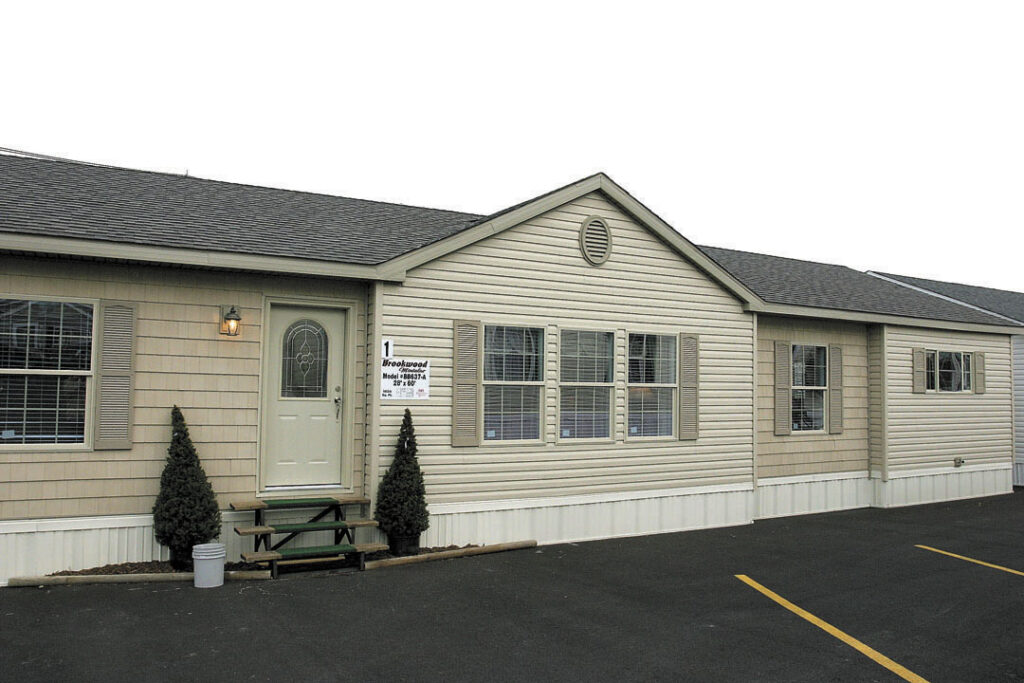
A manufactured home that appears well-maintained will command a premium. Buyers notice condition immediately.
Invest in high-ROI improvements before listing:
– Exterior: Fresh paint, clean siding, new roof shingles if needed, landscaping, and a clean lot
– Interior: Fresh paint, new flooring (vinyl plank flooring is affordable and appealing), updated kitchen or bathroom fixtures, and good lighting
– Mechanical: Ensure HVAC, plumbing, and electrical systems are functional; provide receipts for recent work
– Documentation: Gather all purchase documents, warranty information, maintenance records, and title documentation
Manufactured homes depreciate visually faster than site-built homes. A home that looks newer commands premium prices. Spend $2,000-$5,000 on cosmetic updates and you’ll often recoup it—and more—in the final sale price.
Strategy #3: Market to the Right Buyer Segment
Not all buyers are the same. Manufactured homes attract specific buyer profiles: first-time homebuyers, retirees on fixed incomes, investors, and buyers with lower credit scores who still qualify for financing.
Identify your target buyer and market accordingly:
– First-time buyers: Emphasize affordability and financing options
– Retirees: Highlight community amenities, low maintenance, and financial accessibility
– Investors: Provide rental history, cash flow analysis, and community demographics
– Cash buyers: Highlight quick closing and no-contingency option
Work with an agent who understands these segments and knows how to reach them through targeted online advertising, community networks, and investor channels.
Strategy #4: Understand How Buyers Finance Manufactured Homes
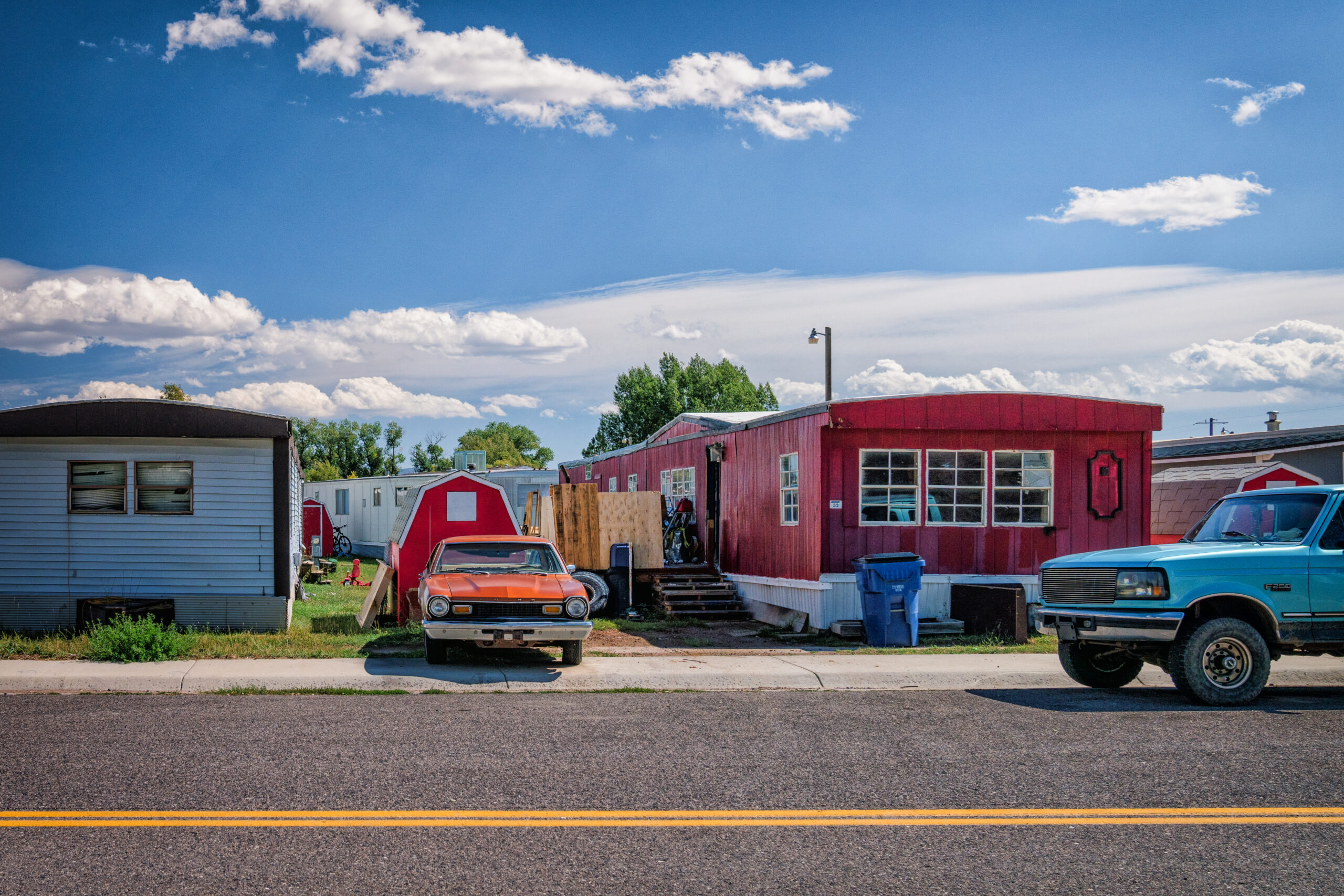
Financing is the single biggest factor affecting buyer pool and sale price. Understanding your buyers’ financing options will help you market more effectively and price realistically.
FHA loans: FHA-approved lenders finance about 20% of manufactured home purchases. These loans require the home to be a certain age and condition, with HUD-registered permanent foundation.
VA loans: Veterans Affairs-backed loans are available to eligible military members and veterans. VA loans typically require a permanent foundation and can offer favorable terms.
Chattel mortgages: When buyers finance just the manufactured home (not the land), they use a chattel mortgage. These loans are simpler to qualify for but may carry higher interest rates.
Conventional loans: Available when you own the land; lenders treat the sale like traditional real estate.
Cash offers: Investors often purchase manufactured homes for cash. Services like realdealrealestatebuyers.com specialize in quick cash offers on manufactured homes across Texas.
The more financing options your home qualifies for, the larger your buyer pool and the higher your potential sale price.
Strategy #5: Negotiate Land and Home Separately When Applicable
If you own the land, you may have flexibility in how you structure the sale. Some sellers benefit from selling the home and land together; others find better value by separating them.
Consider your buyer profile. An owner-occupant will likely want to buy the home and land together. An investor might prefer to buy just the structure (especially if the land is leased). Discuss options with your agent to determine the most profitable approach for your situation.
If the land has significant value, highlight this separately. Land in desirable locations often appreciates while the home structure depreciates—understanding this dynamic helps you price and market more effectively.
Strategy #6: Time the Market for Maximum Demand
Seasonality affects manufactured home sales. Spring and summer (March-August) typically see higher buyer activity and stronger prices. Fall and winter can mean fewer showings and lower offers.
If possible, list during peak buying season. If you must sell during slower months, expect to price more aggressively or wait longer for offers.
Monitor local market trends. Use HAR.com and HUD.gov data to understand whether inventory is rising or falling in your area. Low inventory periods mean stronger bargaining power for sellers.
Strategy #7: Invest in Professional Presentation and Marketing
Professional photography, virtual tours, and detailed descriptions matter—even for manufactured homes.
Invest in:
– Professional photos: Clean, well-lit images of every room and the exterior
– Virtual tour or video walkthrough: Buyers want to see the home before scheduling a showing
– Detailed listing description: Highlight upgrades, recent improvements, and community amenities
– Online advertising: Use MLS syndication to reach major portals (Zillow, Realtor.com, etc.)
A well-presented manufactured home generates more showings and higher offers than a poorly presented one—even if the homes are identical.
Strategy #8: Work with an Agent Who Specializes in Manufactured Homes
Not all real estate agents understand manufactured home markets. Many agents are trained on traditional site-built homes and unfamiliar with financing, valuation, and marketing strategies specific to manufactured homes.
Work with an agent who understands manufactured home financing and buyer qualification, community-specific regulations and lot lease terms, local comparable sales for manufactured vs. site-built homes, and investor networks and cash buyer connections.
An experienced manufactured home agent will maximize your marketing reach and often negotiate higher prices than a generalist.
FAQ: Selling Your Manufactured Home
How long does it take to sell a manufactured home?
Average time on market varies by location and price, but typically 30-60 days in competitive markets. Well-priced, well-presented homes sell faster.
Can I sell a manufactured home with an outstanding loan?
Yes. Like traditional homes, you can sell a manufactured home with an outstanding mortgage. The sale proceeds will pay off the loan first.
Does my home need a permanent foundation to sell?
It depends on the buyer’s financing. FHA and VA loans typically require permanent foundation. Cash buyers and chattel mortgage buyers are more flexible.
What paperwork do I need to sell my manufactured home?
You’ll need the title, proof of ownership, maintenance records, any warranty documentation, and disclosure documents. Your agent and closing company will guide you on specific requirements.
Should I make repairs before selling?
Focus on cosmetic and high-ROI repairs. A $500 paint job often returns $1,500+ in sale price. Major structural repairs may not be worth the investment.
Ready to Sell Your Manufactured Home for Top Dollar?
Selling a manufactured home successfully means understanding your market, knowing your buyer, and pricing strategically. Whether you’re selling to an owner-occupant or looking for a quick cash offer, the right approach makes all the difference.
Contact Sean McFarlin, licensed Realtor with Lion Drive Realty (License #0623694) serving Conroe and Lake Conroe, TX. With 13+ years of manufactured home expertise, Sean specializes in positioning homes for top-dollar sales.
Phone: (936) 283-4176
Website: seanmcfarlin.com
Cash Offers: realdealrealestatebuyers.com